Master of Public Policy - MPP

Master of Public Policy - MPP

Master Public Policy in California’s Capital

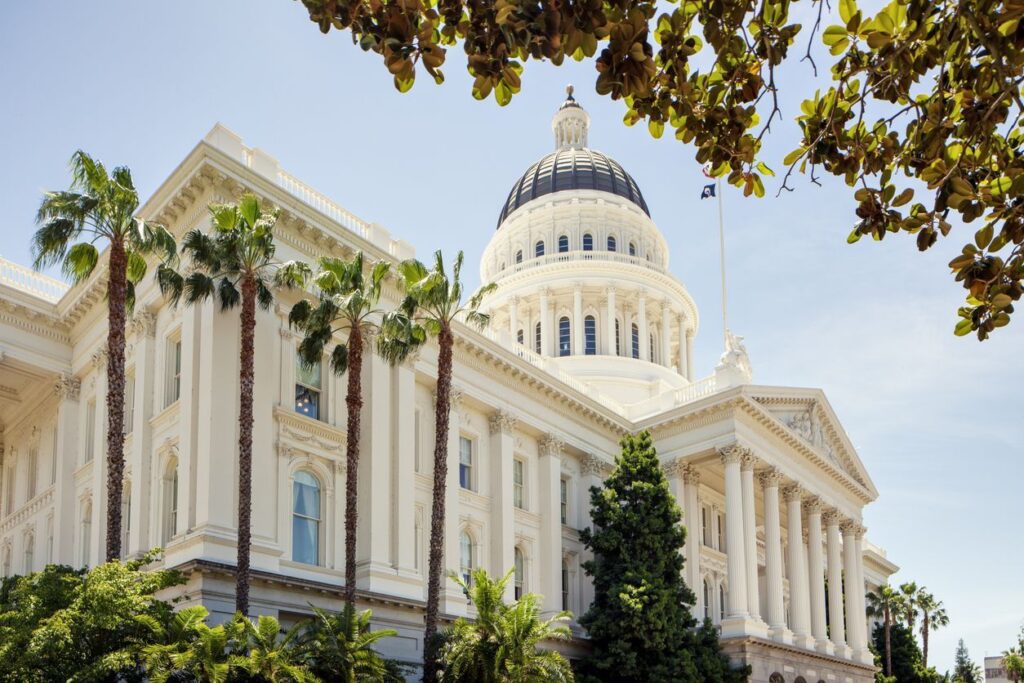
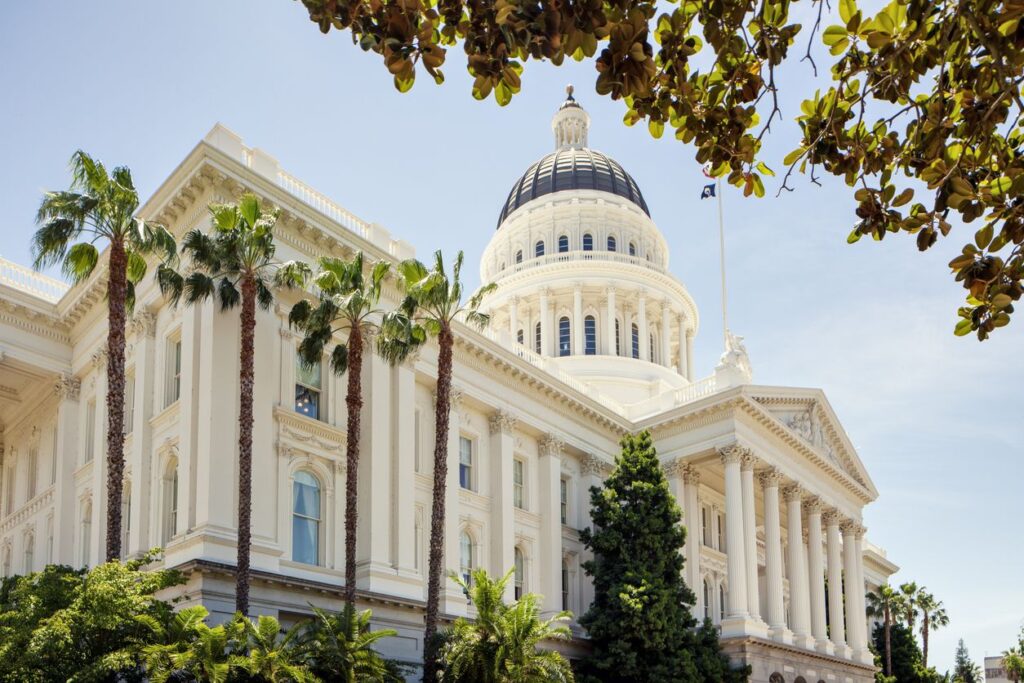
The Master of Public Policy (MPP) program at McGeorge School of Law equips students with the skills to analyze, design, and implement effective public policies. As an MPP program in Sacramento, near the California State Capitol, McGeorge offers unmatched access to government agencies, non-profit organizations, and advocacy groups, providing students with hands-on learning and career-building opportunities.

Designed for both working professionals and pre-service students, the MPP program features a hybrid learning model, combining flexible online coursework with select in-person Saturday sessions for meaningful faculty and peer interaction.

Important Dates


Spring 2027
Priority Deadline
November 1, 2026
Application Deadline
December 7, 2026
Start Date
January 11, 2027

Request Information

Multistep Learn More Information

Why Choose McGeorge’s MPP?

Flexible Hybrid Format

A blend of online and in-person learning allows you to maintain your work-life balance while engaging in real-time discussions and networking opportunities.

Career-Focused Training

By engaging in internships, networking events, and applied policy research, you will develop leadership skills and advance your career in government, advocacy, and non-profit sectors.

Legal and Policy Integration

As an ABA-accredited law school, McGeorge offers you the opportunity to take law courses related to your concentration, enhancing your ability to interpret statutes and regulations in public policy.

Designed for Leaders Who Shape Public Policy

Students complete a combination of online and in-person coursework, with six to seven in-person Saturday sessions each semester. Most online courses are delivered synchronously in the evening, providing real-time interaction with professors and classmates while allowing working professionals to balance graduate study with career and personal commitments.

Fall and spring semesters are 15 weeks in length. All students take one required accelerated summer course, PUB 233. Students should expect regular interaction with faculty and peers, as well as additional time for coursework, assignments, readings, and applied projects outside of class.

At a Glance

Total Units Required
39 Total Units
Core Courses
33 Units
Concentration
6 Units (4 Options)
Completion Time
Approximately 2-3 Years to Complete
Typical Enrollment
6 Units Per Semester
Format Mode
Hybrid Format
Class Schedule
Evening Synchronous Classes Available
On-Campus Sessions
6–7 In-Person Saturdays Per Semester

Curriculum & Program Structure

A minimum of 39 units is required to earn the MPP, including a 33-unit core of required courses. A cumulative grade point average of 3.00 or higher is required for award of the MPP.

LAW (6 Units)

Introduction to Law for Public Administration (3 Units)

This course provides students with an overview of the American legal system, including the sources of law and hierarchy of authority. The course is intended to develop an understanding of how lawyers read and analyze cases, statutes, and legal documents and provide an introduction to legal reasoning. The course will also focus legal research to familiarize students with locating and evaluating the weight of legal sources. Lastly, the course will discuss administrative law and the public process governing actions of administrative agencies.

Statutes and Regulations (3 Units)

This course introduces students to strategies and techniques for interpreting and applying statutes and regulations in the modern administrative state. Topics include foundational issues important to public law, such as the legislative process, doctrines of statutory interpretation, the structure of administrative law, and the role of agencies in interpreting and enforcing statutory schemes.

PUBLIC POLICY (12 Units)

Introduction to Public Policy Analysis (3 Units)

This course provides a structured introduction to the study and practice of public policy analysis. Students develop conceptual frameworks and analytical tools to define policy problems, evaluate alternatives, and formulate evidence-based recommendations. Emphasis is placed on understanding the political, institutional, and organizational contexts in which policy decisions occur.

Choose one of these two courses (3 Units):

Budgets, Financial Management (3 Units)

Develops understanding of the role budgets play in state, local, and federal governance. Students examine the politics of budgeting, capital and operating budgets, performance measures, financial reporting, and the impact of economic cycles on government decision-making.

OR

Finance for Public Policies (3 Units)

Develops competence in public finance concepts and tools common to policy professionals. Topics include taxation, assessments, fees, revenue estimation, capital financing, internal controls, fund accounting, public investments, and the institutions that shape public finance.

Advanced Policy Analysis (3 Units)

This course extends the frameworks and tools introduced in introductory policy analysis with an emphasis on rigorous, applied policy research. Students evaluate policy alternatives using advanced quantitative and qualitative methods while considering efficiency, equity, feasibility, and political viability.

Capstone: Strategy, Implementation (3 Units)

This culminating course integrates learning from across the program through self-assessment, case analyses, and applied projects. Students strengthen the knowledge and competencies required for sustained effectiveness as public policy professionals.

ANALYTIC TOOLS (9 Units)

Economic Concepts and Tools (3 Units)

Develops competence in economic concepts and analytical tools commonly used in public policy. Topics include efficiency, equity, tax incidence, opportunity cost, cost-benefit analysis, incentives, competition, public goods, and market failure.

Public Manager Analytics (3 Units)

Introduces students to the use of analytics in managing organizations and implementing programs and policies. Students build a foundation in descriptive and inferential statistics, data collection, survey design, and performance measurement for decision-making.

Advanced Quantitative Methods (3 Units)

This course extends the statistical and econometric tools used in policy analysis and program evaluation. Students learn advanced methods including multivariate regression, interaction effects, fixed effects, instrumental variables, time series analysis, and logistic regression.

PUBLIC ADMINISTRATION & LEADERSHIP (6 Units)

Foundations of Public Administration (3 Units)

This foundational course introduces the principles and practices of public service at the federal, state, and local levels. Topics include ethics, accountability, diversity, public management, budgeting, organizational structure, and public sector leadership.

Leaders, Organization Behavior (3 Units)

Examines organizational behavior in public and nonprofit organizations, including motivation, communication, decision-making, conflict management, organizational culture, and change. Students develop leadership skills relevant to managing people, organizations, and complex stakeholder relationships.


Areas of Concentration (6 Units)

MPP students customize their degree by selecting one of four concentration areas. Each concentration requires a minimum of 6 units and provides specialized knowledge and practical skills in a focused area of public policy.

Students gain a comprehensive understanding of the legal frameworks that safeguard our environment and water resources while developing the practical skills needed to advocate for sustainable environmental and water resource management.

Water Resources Law

Introduces the legal principles governing water allocation for human and environmental purposes. Topics include surface and groundwater rights, management approaches, environmental allocation, federal-state relationships, tribal and reserved rights, reasonable use, waste, and the public trust doctrine.

Environmental Law

A survey of legal principles and policies relating to protecting and enhancing the physical environment. Topics include common law doctrines and public remedies, as well as federal and state programs addressing air pollution, water pollution, solid waste, and fish and wildlife resources.

Water & Environmental Justice

Explores the challenge of providing a healthy environment and safe, affordable, and reliable water to all people regardless of race, ethnicity, gender, economic status, national origin, or education level. Topics may include climate justice, toxic exposure, food security, access to nature, and the human right to water.

Students conduct in-depth exploration of legislative institutions and lawmaking processes; develop practical skills in drafting statutory language, preparing and assessing bill analyses, commenting on legislation, and actively participating in the legislative process; and become proficient in advocacy, negotiation, and compromise within policy-making settings.

Legislative and Public Policy Practicum

A hands-on simulation in which students research, draft, and pursue adoption of legislative and regulatory proposals. Students analyze policy problems, draft statutes or regulations, develop implementation strategies, and participate in a mock legislative hearing.

Leading Systemic Change

Develops skills for creating purposeful, lasting change in public policies and institutions. Students examine the strategies of policy entrepreneurs, elected officials, advocacy groups, and stakeholders while exploring tools such as strategic communications, legal reforms, and financial incentives.

Legislatures and Lawmaking

Examines legislative institutions and lawmaking processes in state and federal government. Students develop practical skills in statutory drafting, bill analysis, legislative review, and participation in the legislative process.

Lobbying & Politics

Explores lobbying and legislative advocacy within state legislatures, with particular emphasis on California’s legislative and regulatory processes. Students gain practical experience in legislative strategy and stakeholder engagement.

Negotiations

Examines the theoretical, ethical, and practical considerations essential to effective negotiations. Through discussions, exercises, and role-playing activities, students develop skills in preparation, strategy, communication, and conflict resolution.

Students develop the knowledge and skills to create significant and sustainable societal change with an emphasis on the capacity required for effective public action, including legal authority, technical competencies, fiscal resources, political support, and networked relationships.

Non-Profit Management

Provides an overview of the governance, financial, human resource, and strategic challenges facing nonprofit organizations. Students examine effective management approaches and the policy environments in which nonprofits operate.

Enhancing Societal Capacity

Explores societal capacity as a central goal of public policy. Students examine a broad range of policymaking and implementation tools while analyzing how legal authority, technical expertise, fiscal resources, and community partnerships contribute to public problem-solving.

Leading Systemic Change

Develops skills for creating purposeful, lasting change in public policies and institutions through strategic leadership, stakeholder engagement, and policy innovation.

Negotiations

Develops practical negotiation skills and strategies that support effective collaboration, advocacy, and conflict resolution in public and nonprofit settings.

Students examine city and regional governance structures and legal frameworks; develop practical skills in fiscal, administrative, and policy analysis; and apply these tools to real-world challenges in local government, with particular attention to California.

Local Government Administration

Introduces the structures, functions, and challenges of local government administration, with a focus on California. Topics include municipal services, public safety, planning and economic development, citizen engagement, and intergovernmental relations.

Local Government and Housing Law

Provides a practical overview of local government law through the lens of housing law and policy. Students explore local governance authority, zoning, land use, public finance, fair housing, and anti-discrimination laws.

Finance for Public Policies

Develops competence in public finance concepts and tools commonly used by policy professionals. Topics include taxation, fees, revenue estimation, capital financing, public investments, and fiscal management.

Sample Course Schedule

The sample schedule below illustrates one pathway through the MPP program with a concentration in Public Policy Advocacy. Actual course offerings and sequencing may vary based on concentration selection and student pace.

Total Program Units: 39

FIRST SEMESTER

Foundations of Public Administration (3 Units)
Introduction to Law for Public Administration (3 Units)*

SECOND SEMESTER
Statutes & Regulations (3 Units)*
Leaders & Organizational Behavior (3 Units)
SUMMER SESSION
Public Manager Analytics (3 Units)
THIRD SEMESTER
Advanced Quantitative Methods (3 Units)
Introduction to Public Policy Analysis (3 Units)
FOURTH SEMESTER
Economic Concepts and Tools (3 Units)
Advanced Policy Analysis (3 Units)
FIFTH SEMESTER
Leading Systemic Change (3 Units)
Budgets, Financial Management (3 Units)
SIXTH SEMESTER
Capstone: Strategy, Implementation (3 Units)
Legislative and Public Policy Practicum (3 Units)
FIRST SEMESTER
Foundations of Public Administration (3 Units)
Introduction to Law for Public Administration (3 Units)
SECOND SEMESTER
Statutes & Regulations (3 Units)
Leaders & Organizational Behavior (3 Units)
SUMMER SESSION
Public Manager Analytics (3 Units)
THIRD SEMESTER
Advanced Quantitative Methods (3 Units)
Introduction to Public Policy Analysis (3 Units)
FOURTH SEMESTER
Economic Concepts and Tools (3 Units)
Advanced Policy Analysis (3 Units)
FIFTH SEMESTER
Leading Systemic Change (3 Units)
Budgets, Financial Management (3 Units)
SIXTH SEMESTER
Capstone: Strategy, Implementation (3 Units)
Legislative and Public Policy Practicum (3 Units)

Who Should Apply?

The MPP is designed for working professionals and pre-service students who want to analyze, design, and implement effective public policy. This program is especially beneficial for:

Policy analysts and legislative staff seeking advanced analytical training

Advocates and government affairs professionals working with the California State Capitol
Non-profit leaders driving policy and societal change
Pre-service students preparing for careers in government, advocacy, and non-profit sectors
McG_Hybrid1-scaled-2.jpg

Who Should Apply?

The MPP is designed for working professionals and pre-service students who want to analyze, design, and implement effective public policy. This program is especially beneficial for:

Policy analysts and legislative staff seeking advanced analytical training

Advocates and government affairs professionals working with the California State Capitol
Non-profit leaders driving policy and societal change
Pre-service students preparing for careers in government, advocacy, and non-profit sectors

Contact Us

MCGEORGE GRADUATE PROGRAMS
Location:

3200 Fifth Ave. Sacramento, California 95817

MCGEORGE MPP

Phone:
916.739.7019
Email:
graduatelaw@pacific.edu

Location:

3200 Fifth Ave.
Sacramento, California 95817